
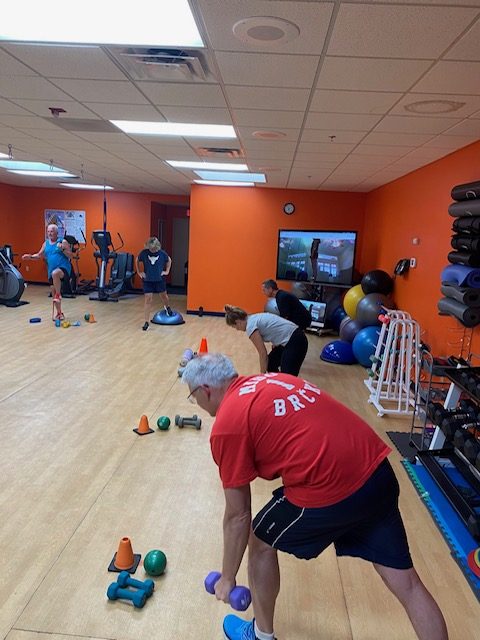
National physical-activity guidelines suggest adults aim for about 150 minutes of moderate activity a week, plus a couple of muscle-strengthening sessions. That can sound like a lot. The good news: it doesn't have to happen all at once, and it doesn't require special equipment. Small amounts of movement, added up across the day, genuinely count.
1. Break it into ten-minute pieces
Three brisk ten-minute walks are just as valuable as one thirty-minute walk. Try one after each meal — it's easier to fit in, and gentle movement after eating can help with digestion and blood-sugar control.
2. Turn waiting time into moving time
Kettle boiling? Ad break on TV? On the phone? These are perfect moments to stand up, stretch, march in place, or do a few sit-to-stands from a sturdy chair. These tiny bouts keep your muscles engaged and your joints mobile.
3. Make the everyday a little harder
Park a little farther away. Take the stairs for one flight. Carry the groceries in two trips instead of one. Do a slow lap of the store before you shop. None of it feels like "exercise," but your body counts all of it.
4. Anchor movement to a habit you already have
Pair a small amount of activity with something you do every day — calf raises while you brush your teeth, a short walk right after your morning coffee, gentle stretches before bed. Attaching a new habit to an old one is one of the most reliable ways to make it stick.
5. Make it social
Movement is easier — and more enjoyable — with company. A standing phone call with a friend, a walking catch-up instead of a sit-down one, or a group class can turn exercise from a chore into something you look forward to. Connection is part of the medicine.
The best exercise is the one you'll actually do. Start where you are, with what you have, and build from there.
If you're living with a chronic condition or you're new to activity, start gently and progress gradually. Our programs are designed to meet people exactly where they are — safely and supportively.